Keeping Assets Organized When Two Companies Become One
A merger or acquisition can bring together people, systems, contracts, customers, and physical assets from two separate organizations. While leadership teams focus on integration, office furniture, archived files, equipment, promotional materials, and surplus inventory still need somewhere to go.
Temporary storage can provide valuable breathing room during this period. Instead of forcing every asset into the new workplace immediately, companies can separate operational priorities from property that needs additional review.
Create a Physical Asset Inventory
Before combining locations, document what each company owns.
List office furniture, computers, equipment, inventory, displays, records, supplies, and other significant property. Include quantities and identifying information where practical.
This first inventory provides a baseline for deciding what should move directly into the consolidated workplace and what can remain elsewhere.
Identify Duplicates
Mergers frequently create duplicate assets.
Two businesses may have multiple conference tables, filing cabinets, printers, reception desks, or specialized pieces of equipment. Rather than moving everything into the new office, compare the inventories first.
Some duplicates may be retained as backups, while others can eventually be sold, donated, recycled, or disposed of appropriately.
Separate Immediate Needs From Transitional Assets
Not every asset has the same operational value.
Employees may need certain equipment immediately, while archived paperwork or surplus furniture can remain untouched for months. Divide property according to how quickly it may be required.
This approach makes business storage more manageable because frequently needed items can be organized separately from long-term holdings.
Build a Priority System
A simple priority structure can identify assets as immediate, near-term, or long-term.
Use the system consistently across both organizations. This prevents one company’s property from being treated differently simply because it came from a particular location.
Plan Storage Before the Offices Are Combined
Storage decisions should happen before physical consolidation begins.
Determine approximately how much property will be stored, how long it may remain there, and which categories need regular access.
For companies in Las Vegas considering a dedicated solution, https://nevadamoverslv.com/services/business-storage/ can be reviewed while developing the transition plan.
Nevada Movers can also become part of the transportation process when assets need to move from separate offices into a temporary storage location.
Protect Sensitive Business Materials
A merger may involve confidential records, proprietary equipment, employee information, or customer-related materials.
Storage planning should therefore include access controls and careful labeling. Avoid putting sensitive information directly on exterior labels when an internal identification system can accomplish the same purpose.
Keep Records Traceable
Documents should remain identifiable even when departments from two organizations are being combined.
Use consistent codes, inventory references, and location records. If records have retention requirements, keep those requirements visible in the company’s internal tracking system.
Design the Storage Layout Around Retrieval
A storage area should not become a maze of boxes.
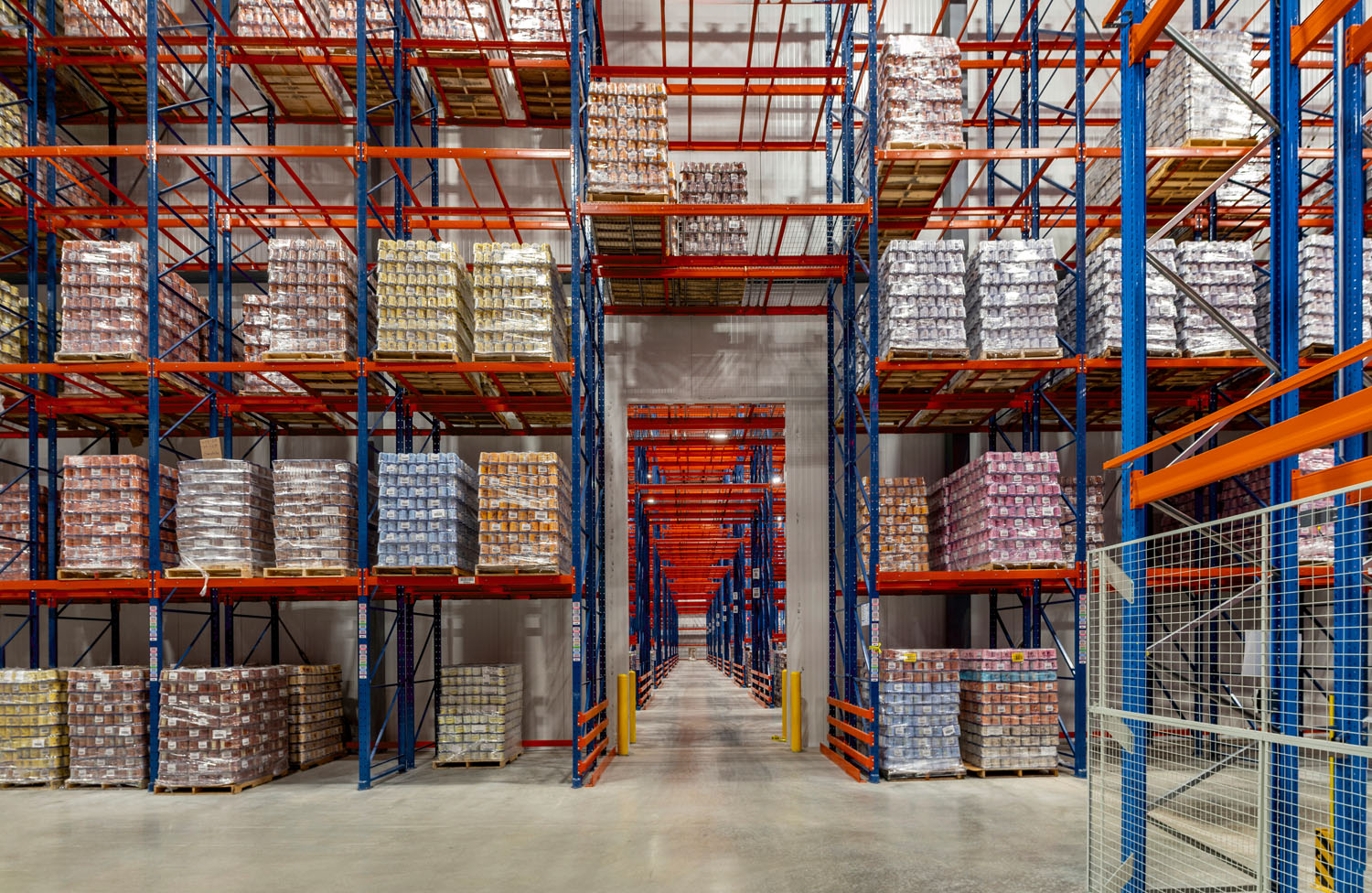
Group related assets together and create clear access routes. Items likely to be needed during the integration process should remain easier to reach than property that will not be reviewed for an extended period.
Business storage works best when the layout is designed around actual retrieval patterns.
Photograph Unusual Equipment
Photographs can make identification easier when several similar assets are involved.
Capture serial numbers, identifying marks, condition, or distinctive features where useful. Connect those images to the corresponding inventory record.
This can be especially helpful when employees from the two organizations are unfamiliar with one another’s equipment.

Coordinate Transportation in Phases
Moving two businesses at once can create significant logistical pressure.
A phased approach may allow each location to continue operating until its essential assets are ready to transition. Less critical property can be transported separately.
Nevada Movers https://nevadamoverslv.com/ can coordinate transportation around the company’s preferred schedule rather than requiring every asset to be handled simultaneously.
Protect the Working Environment
Do not allow staging areas to interfere with employees or customers.
Clearly define where outgoing assets will be gathered. Keep operational equipment separate from items awaiting transportation.
This reduces accidental loading and keeps the workplace functional during the integration.
Establish Ownership and Decision Rules
A merger can create uncertainty about who is responsible for stored property.
Determine who can authorize movement, disposal, retrieval, or reassignment. Where ownership of particular assets is still being reviewed, mark them accordingly rather than mixing them into finalized inventory.
Clear responsibility prevents assets from becoming “orphaned” during organizational change.
Schedule an Inventory Review
Storage should not become a permanent hiding place for unresolved decisions.
Set a review date after the merger has progressed. Reassess unused furniture, redundant equipment, archived materials, and inventory that has not been requested.
Some assets may be returned to the consolidated office, while others may no longer justify their storage costs.
Update the Records After Every Retrieval
When an item leaves storage, change its status immediately.
Record where it went and who authorized the movement. The same process should apply when property returns to storage.
This keeps the inventory reliable throughout the integration period.
Give the New Organization Room to Settle
The physical side of a merger does not have to be completed in a single step.
Using business storage strategically can give leadership and employees time to determine which assets genuinely belong in the combined workplace. Instead of filling the new office with duplicate furniture and unresolved inventory, companies can create a controlled transition period.
Nevada Movers can handle the physical transportation while internal teams focus on integration, asset decisions, and maintaining normal business activity. With accurate records, sensible priorities, and a retrieval-focused storage system, the physical assets of two companies can be brought together without allowing the merger itself to become buried under boxes and excess equipment.