
Give Your Wardrobe a Break: A Better Way to Store Clothes Between Semesters
When the semester ends, students often face the same practical question: what should happen to all those sweaters, jackets, jeans, bedding, and other clothes that will not be needed for several months? Carrying an entire wardrobe back and forth can be inconvenient, especially when home is far from campus. Proper preparation for summer storage offers a simpler alternative while also helping clothing remain fresh and wearable when the next semester begins.
The key is not simply putting everything into boxes. Fabric needs to be clean, completely dry, protected from moisture, and packed according to its material and expected storage period.
Begin With a Seasonal Wardrobe Sort
Before packing anything, separate the clothes you are unlikely to need during the summer. Heavy coats, knitwear, boots, thick sweatshirts, and cold-weather accessories usually make obvious candidates.
At the same time, avoid automatically storing every item you own. Use the opportunity to remove damaged pieces, clothing that no longer fits, and items you have not worn in a long time. A lighter wardrobe means fewer containers and easier organization when you return.
Create three practical groups
A simple sorting system can include:
- Store: winter and cool-weather clothing
- Keep: items needed during summer
- Review: clothing you are unsure about
This prevents useful summer clothes from accidentally disappearing into storage and reduces unnecessary packing.
Clean Everything Before It Goes Away
One of the most important preparation steps is washing or cleaning clothing before it is packed. Even a small amount of sweat, food residue, or body oil can become more noticeable after months inside a closed container.
Follow the care instructions for each garment rather than washing everything in the same way. Delicate fabrics may require hand washing or professional cleaning, while everyday cotton clothing can usually be handled normally.
Never pack clothing while it is even slightly damp. Allow garments to dry completely before folding them. Moisture trapped inside a closed package can create unpleasant odors and encourage mold growth.
Choose Packaging Based on the Fabric
The right container makes a significant difference during summer storage. Breathable fabric bags can be useful for certain garments, while sturdy plastic containers with secure lids may provide better protection against dust and accidental spills.
Avoid compressing delicate clothing excessively. Vacuum bags can save space, but they are not necessarily appropriate for every material or garment.
Pay special attention to delicate pieces
Wool, silk, leather, embellished clothing, and structured garments deserve additional care. Fold them according to their shape and use suitable protective materials where necessary.
Shoes should also be cleaned and dried before being packed. Stuffing footwear with clean paper can help it retain its shape, while separating shoes from clothing reduces the chance of dirt transferring to fabric.
Organize Containers for a Faster Return
There is little benefit in protecting clothing perfectly if you cannot find anything later. Label each container with a concise description rather than relying solely on memory.
For example, “Winter sweaters + scarves” is considerably more useful than “Clothes.”
A simple inventory can make summer storage even easier. Record the container number, general contents, and any particularly valuable or delicate garments inside. Students using professional moving assistance can also coordinate these labels with the handling process.
Price Movers can help make the transition more manageable when students need belongings collected, transported, or organized as part of a broader relocation plan. Information about moving services is available at https://pricemovers.com/.
Think About What Happens While You Are Away
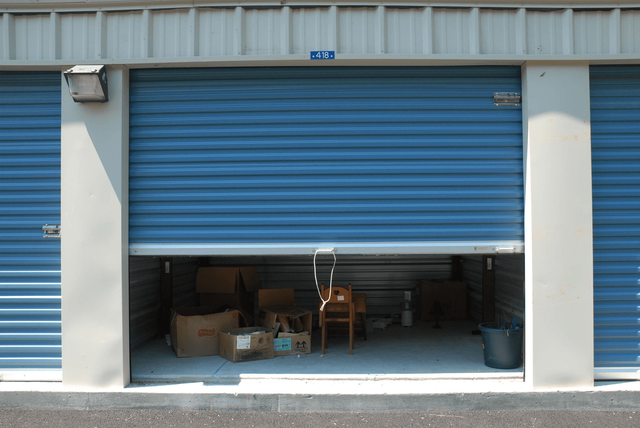
Where clothing is stored matters just as much as how it is packed. A suitable storage environment should protect belongings from excessive humidity, temperature extremes, dust, and unnecessary handling.
Do not place heavy objects on top of containers filled with delicate garments. If several boxes are stacked, keep the most frequently needed items somewhere accessible.
For students leaving campus for only a few months, summer storage should make the eventual return easier rather than creating another packing project. Clear labels and sensible placement can save hours when the next semester approaches.
Prepare for the First Day Back
A useful trick is to pack one easily accessible container with the clothing you are most likely to need immediately after returning. This could include a light jacket, favorite jeans, basic shoes, and other transitional items.
That way, you will not have to open every box simply to get dressed for the first few days.
With clean garments, suitable packaging, clear labels, and a little advance planning, summer storage can turn the end-of-semester wardrobe shuffle into a straightforward seasonal routine.